

Every day, doctors around the world treat illnesses that could have been prevented. High blood pressure that went unnoticed for years. Diabetes that developed slowly after a lifetime of unhealthy habits. Infections spread through simple lack of hygiene. Many of these problems didn’t begin in a hospital. They began quietly at home, in our daily choices Prevention Starts With You
Doctors, nurses, and hospitals are essential. But they usually see you for only a few minutes, a few times a year. The rest of the time, the person responsible for your health is you. What you eat, how you move, how you sleep, how you manage stress, and how carefully you listen to your body all shape your health far more than any single visit to a clinic Prevention Starts With You
That’s why prevention starts with you. Being “the doctor of your own health” doesn’t mean diagnosing yourself or replacing medical professionals. It means becoming the first guardian of your body: building healthy habits, noticing warning signs early, and knowing when to seek help.
In this article, we’ll explore what it means to be the doctor of your own health and eight proven ways to protect yourself before illness begins Prevention Starts With You
What Does It Mean to Be the Doctor of Your Own Health?
Being the doctor of your own health means taking an active role in caring for your body and mind every day. It’s about responsibility, awareness, and smart choices.
It means you:
- Build daily habits that protect your health
- Know your body and notice when something changes
- Understand your risks, such as family history or lifestyle factors
- Get regular check-ups instead of waiting until you’re sick
- Follow medical advice and take medicines correctly
- Seek professional help early when warning signs appear
It does not mean ignoring doctors, avoiding hospitals, or treating serious conditions on your own. A wise “self-doctor” works together with health professionals, not against them. Think of yourself as the daily caretaker of your health, while your doctor is your expert partner and guide Prevention Starts With You
Why Prevention Starts With You
There’s an old saying: “An ounce of prevention is worth a pound of cure.” It remains true today. Preventing illness is almost always easier, cheaper, and less painful than treating it.
Many of the world’s most common health problems, including heart disease, stroke, type 2 diabetes, obesity, and some cancers, are strongly linked to lifestyle. Habits such as poor diet, lack of exercise, smoking, and chronic stress can increase the risk of these conditions. Healthy daily choices can significantly lower that risk.
Prevention offers powerful benefits:
- Fewer illnesses and hospital visits
- Lower medical costs for you and your family
- More energy for work, family, and goals
- Longer, healthier life
- Greater independence as you age
- Peace of mind knowing you’re protecting your future
No doctor can eat healthy food for you, walk for you, or sleep for you. That’s why prevention truly starts with you Prevention Starts With You
8 Proven Ways to Be the Doctor of Your Own Health
1. Learn to Listen to Your Body
Your body constantly sends signals about how it’s doing. A good “self-doctor” learns to pay attention to them.
Common signals include:
- Energy levels: Are you unusually tired, even after rest?
- Sleep patterns: Are you sleeping too little, too much, or poorly?
- Appetite and digestion: Have you noticed changes in hunger, weight, or bowel habits?
- Pain or discomfort: Is there pain that doesn’t go away?
- Mood: Are you feeling sad, anxious, or irritable for long periods?
- Skin, hair, and nails: Have you noticed unusual spots, rashes, or changes?
Many people ignore small symptoms until they become serious. By listening to your body early, you can make simple changes or seek medical advice before a minor issue turns into a major problem.
A simple habit is to keep a small health journal. Write down symptoms, sleep, energy, or changes you notice. This information can also help your doctor understand your health better Prevention Starts With You

2. Eat Food That Protects Your Body
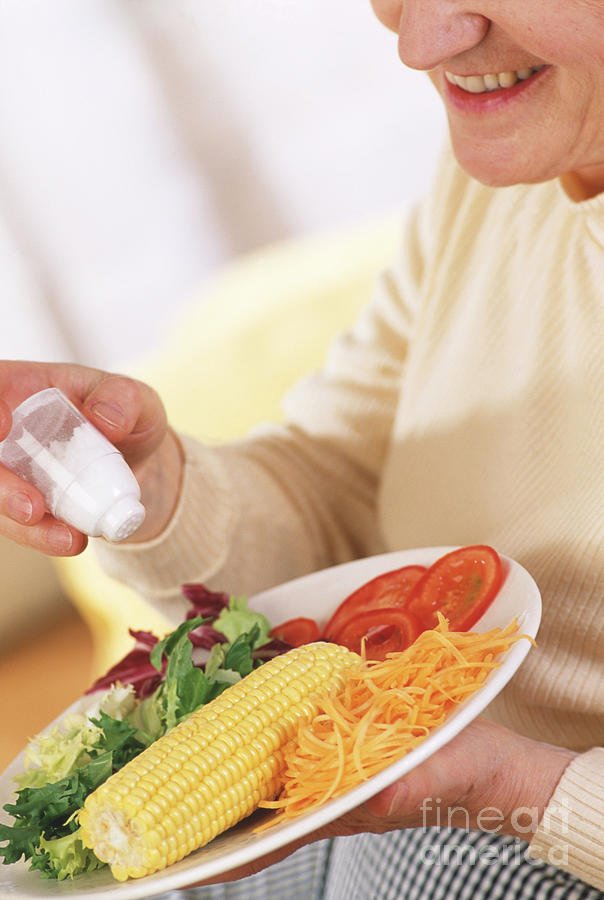
Food is one of the most powerful tools of prevention. A balanced diet supports your immune system, heart, brain, bones, and energy.
According to the World Health Organization, a healthy diet helps protect against malnutrition and many chronic diseases, including heart disease, diabetes, and stroke.
Simple principles for eating well:
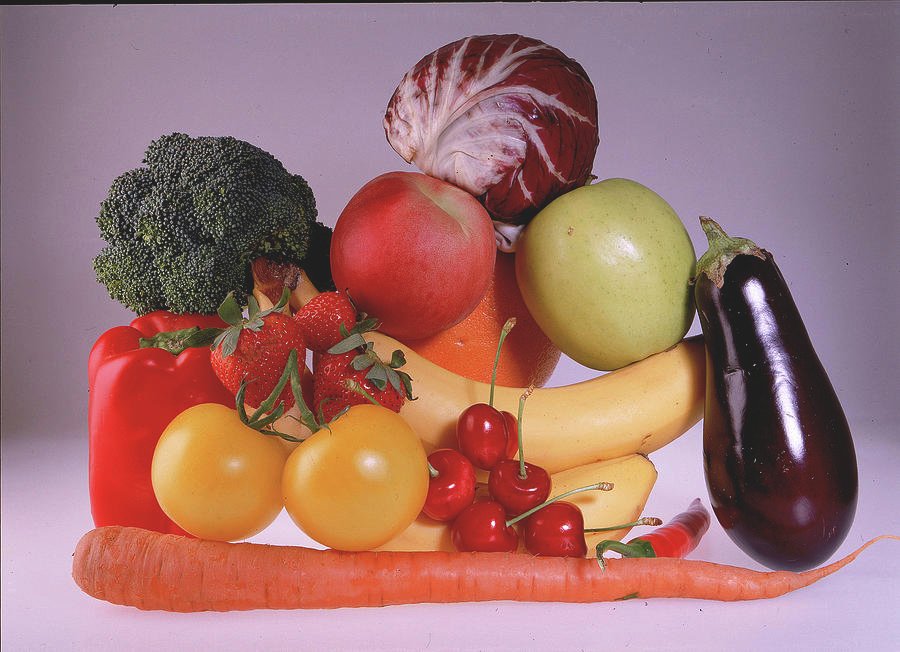
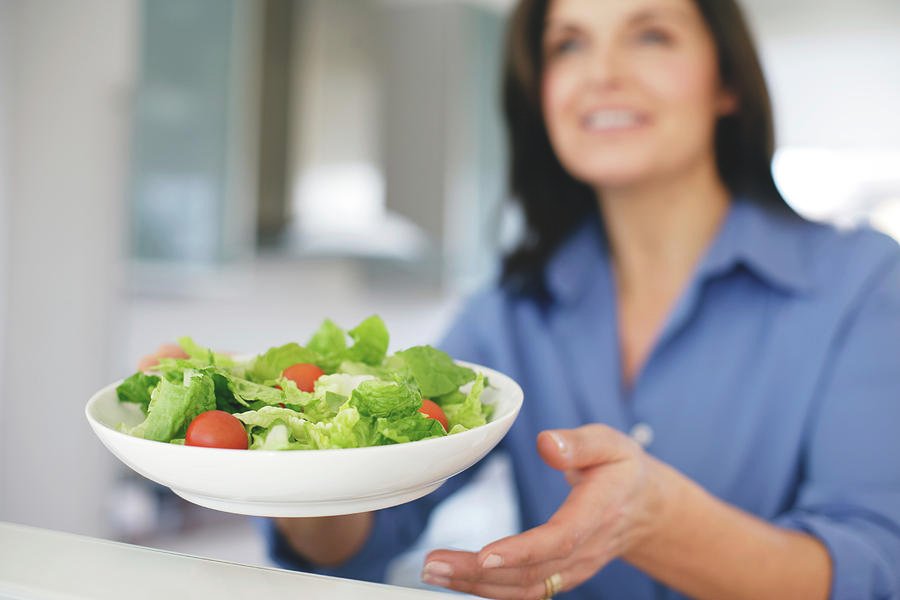
- Fill half your plate with vegetables and fruits.
- Choose whole grains like oats, brown rice, and whole wheat.
- Eat healthy proteins such as beans, lentils, fish, eggs, and lean meat.
- Limit sugar, salt, and fried foods.
- Reduce processed and packaged foods.
- Cook at home whenever possible.
Think of every meal as medicine. What you put on your plate today can protect your health for years.
3. Move Your Body Every Day
Physical activity is one of the best forms of preventive medicine. Regular movement strengthens your heart, controls weight, improves blood sugar, lifts mood, and keeps muscles and bones strong.
You don’t need a gym membership. Simple activities work well:
- Brisk walking for 30 minutes a day
- Taking stairs instead of elevators
- Stretching in the morning and evening
- Home exercises such as squats, push-ups, and lunges
- Playing sports or dancing with family and friends
Health experts generally recommend at least 150 minutes of moderate activity per week for adults. Start slowly if you’re new to exercise, and build up gradually. If you have a medical condition, ask your doctor which activities are safe for you Prevention Starts With You
4. Protect Your Sleep
Sleep is when your body heals, repairs tissues, balances hormones, and strengthens memory. Poor sleep is linked to weight gain, weakened immunity, high blood pressure, and mood problems.
To be the doctor of your own sleep:
- Keep a regular schedule, going to bed and waking at the same times.
- Avoid caffeine in the late afternoon and evening.
- Turn off screens 30 to 60 minutes before bed.
- Keep your bedroom dark, quiet, and cool.
- Avoid heavy meals right before sleeping.
Most adults need about 7 to 9 hours of sleep each night. If you snore loudly, wake up tired every day, or struggle with sleep for weeks, talk to a doctor Prevention Starts With You
5. Manage Stress and Care for Your Mind
Mental health is a key part of overall health. Chronic stress can raise blood pressure, weaken immunity, disturb sleep, and contribute to unhealthy habits like overeating or smoking.
Healthy ways to manage stress include:
- Prayer, meditation, or quiet reflection
- Deep breathing exercises
- Regular physical activity
- Time in nature
- Talking with trusted friends or family
- Setting boundaries and taking breaks from work and screens
Being the doctor of your own health also means recognizing when you need more support. If sadness, anxiety, or stress affect your daily life for weeks, reach out to a health professional or counselor. Seeking help is a sign of strength.
6. Know Your Numbers and Get Regular Check-Ups
Some of the most dangerous health conditions show few or no symptoms in their early stages. High blood pressure, high blood sugar, and high cholesterol can quietly damage your heart, kidneys, and blood vessels for years.
That’s why a smart self-doctor knows their key health numbers:
| Health Check | Why It Matters |
|---|---|
| Blood pressure | Detects risk of heart disease and stroke |
| Blood sugar | Detects diabetes or prediabetes early |
| Weight and waist size | Shows risk of obesity-related conditions |
| Cholesterol | Helps assess heart health |
| Dental check-ups | Prevents tooth decay and gum disease |
| Eye checks | Detects vision problems and some diseases early |
Visit a doctor for regular check-ups, often once a year, or as advised for your age and health history. Ask about screenings recommended for you, such as tests for certain cancers. Also keep track of vaccines for yourself and your children.
Knowing your numbers turns guesswork into knowledge, and knowledge into action Prevention Starts With You
7. Practice Good Hygiene and Avoid Harmful Habits
Simple hygiene habits prevent many infections and protect your family:
- Wash your hands with soap and water often, especially before eating and after using the toilet.
- Brush your teeth twice a day and floss daily.
- Keep your home and kitchen clean.
- Store and cook food safely.
- Drink clean, safe water.
Being your own health guardian also means avoiding habits that harm your body:
- Avoid smoking and tobacco in all forms.
- Avoid harmful substances and drugs.
- Limit sugary drinks and junk food.
- Don’t sit for long hours without moving.
- Don’t misuse medicines or take antibiotics without a prescription.
Every harmful habit you avoid is a disease you may never have to face Prevention Starts With You
8. Know When to See a Real Doctor
The most important skill of being the doctor of your own health is knowing your limits. Self-care is powerful, but it doesn’t replace professional medical care.
Seek medical help promptly if you notice:
- Chest pain, pressure, or difficulty breathing
- Sudden weakness, numbness, confusion, or trouble speaking
- High fever that doesn’t improve
- Unexplained weight loss
- Blood in urine, stool, or when coughing
- A lump or unusual growth anywhere on your body
- Severe or persistent pain
- Symptoms that last for more than a few days or keep getting worse
In an emergency, contact emergency services or go to the nearest hospital immediately. Never delay care because you think you can handle it alone Prevention Starts With You
A good self-doctor also:
- Follows the treatment plan given by health professionals
- Takes medicines exactly as prescribed
- Asks questions to understand their health
- Keeps medical records and test results organized
A Simple Daily Prevention Checklist
To make prevention easy, use this daily checklist:
- ✅ Drink enough water
- ✅ Eat vegetables and fruits
- ✅ Move for at least 30 minutes
- ✅ Take short breaks from sitting
- ✅ Wash hands regularly
- ✅ Spend time relaxing or reflecting
- ✅ Limit screen time before bed
- ✅ Sleep 7 to 9 hours
- ✅ Notice any changes in your body
Small daily actions, repeated consistently, create powerful long-term protection.
Teaching Prevention to Your Family
When you become the doctor of your own health, your family benefits too. Children learn by watching adults. When they see you eating well, exercising, sleeping on time, and caring for your health, they’re more likely to follow your example.
You can:
- Cook healthy meals together.
- Go for family walks or play outdoor games.
- Teach children handwashing and good hygiene.
- Make check-ups and vaccines a normal part of family life.
- Talk openly about feelings and mental health.
A healthy family builds a healthy community, and healthy communities build strong nations Prevention Starts With You
Frequently Asked Questions
What does “prevention starts with you” mean?
It means your daily choices, such as diet, exercise, sleep, hygiene, and regular check-ups, are the first and most important line of defense against illness.
Can I replace my doctor by being my own doctor?
No. Being the doctor of your own health means taking responsibility for healthy habits and noticing warning signs early. You should still visit health professionals for check-ups, diagnosis, and treatment Prevention Starts With You
What is the easiest way to start prevention?
Start with small habits: drink more water, walk daily, eat more vegetables, sleep well, and schedule a basic health check-up.
Conclusion
Your health is one of your most valuable possessions, and you are its first protector. Doctors and hospitals play a vital role, but the daily decisions that shape your health are in your hands.
Prevention starts with you. When you listen to your body, eat protective foods, move every day, sleep well, manage stress, know your health numbers, practice good hygiene, avoid harmful habits, and seek medical help when needed, you become the doctor of your own health in the truest sense.
You don’t have to change everything at once. Start with one healthy habit today, add another tomorrow, and keep going. Over time, these small steps will protect your body, strengthen your mind, and give you the gift of a longer, healthier, and happier life.